
June Thoughts - 2026
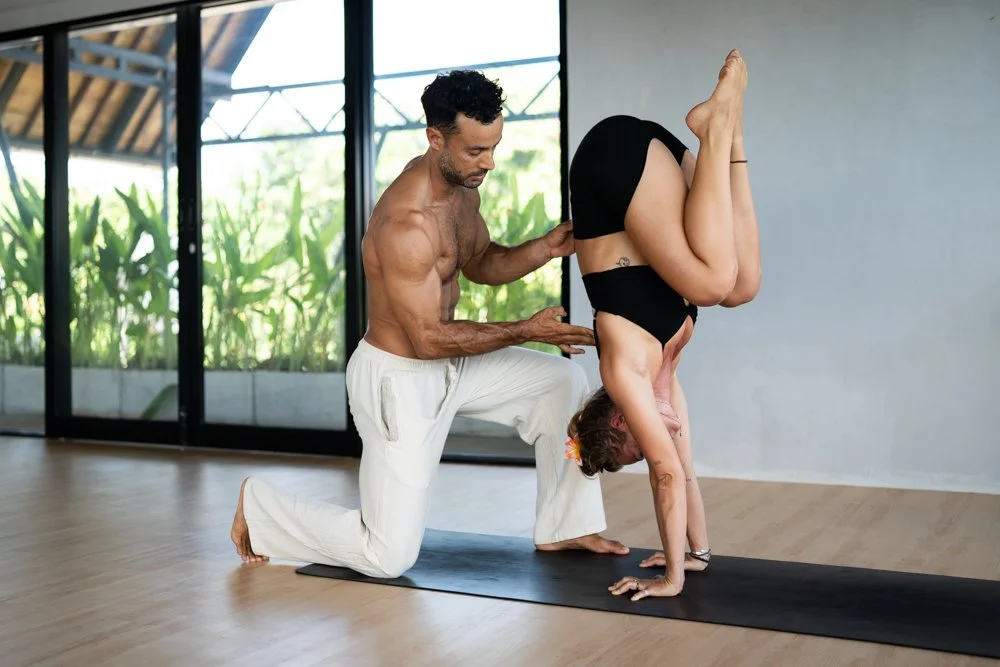
We can’t move what we can’t feel.
Often when I’m working with new clients, we use activation drills for the lats, glutes, etc. These muscles are usually so detached from our senses that we can’t feel them, even though they are some of the largest muscles in our body.
We stop using them, so the brain stops wasting energy acknowledging them. This is not a bug, but a feature of how our nervous system works. There is so much information coming in at all times that our brain has to decide what is most important and direct our attention towards it, while letting the rest fade out of focus.The smell of fire, acute pain, or an abrupt loud noise will get our attention immediately. Potential dangers will always rise to the forefront of our awareness, but things that are exciting or dopamine inducing can do the same thing - for example, doom scrolling through social media. With this in mind, it’s clear that directing our attention to our muscles during exercise may not happen effectively without proper practice and trained awareness.
An effective way to start building this awareness is through Yoga Nidra. You can do this on your own after becoming experienced, but typically it begins with a guide who leads you through a process of relaxation where you draw your attention into and around your body. Depending on the session, it can move from head down to the toes sequentially, skip around to different areas, or start in the center and expand outwards. A longer session might include elements of all three as well as creativity from the guide to help you find a deeper connection using specific strategies or techniques they have developed through their own teachings and practice.
Subtle movement can also be integrated into this process to go beyond simply sensing and into the realm of feeling the articulations of your joints and segmental arrangement of your entire body all the way down to individual ribs, or the muscles around your eyes. Of course we can bring elements of this process out of the meditation state and into our full movement practice as well.
My first exposure to this work was back in 2014 when a member of my CrossFit gym, who was a Stanford trained psychiatrist, took it upon himself to add this type of practice into his daily routine. He’d always had trouble feeling his abs and keeping stability as weights increased, but after only a few weeks of this added practice, his ability to maintain his position in squats and deadlifts monumentally increased.
I often write about attention and intention in the captions to my Instagram posts. These are the concepts I am hoping to share with those who are interested in taking their movement to the next level. Whether that next level is a one arm handstand or simply getting through your training session without hurting yourself, bringing real attention to your body and starting to understand how to feel what’s happening is the base of how to get results.If you’re curious about getting into more somatic body work, you should look up Yoga Nidra practitioners in your area or find a simple YouTube video to follow along with. Some teachers will be better, but simply getting started is most important, and you can become more refined in your practice over time if you find this is something that resonates with you.
Here is a pretty good place to start, but I encourage you to seek out more styles and different teachers in order to broaden your perspective and better develop your practice.
https://www.youtube.com/watch?v=i7xGF8F28zo