
August Thoughts - 2026
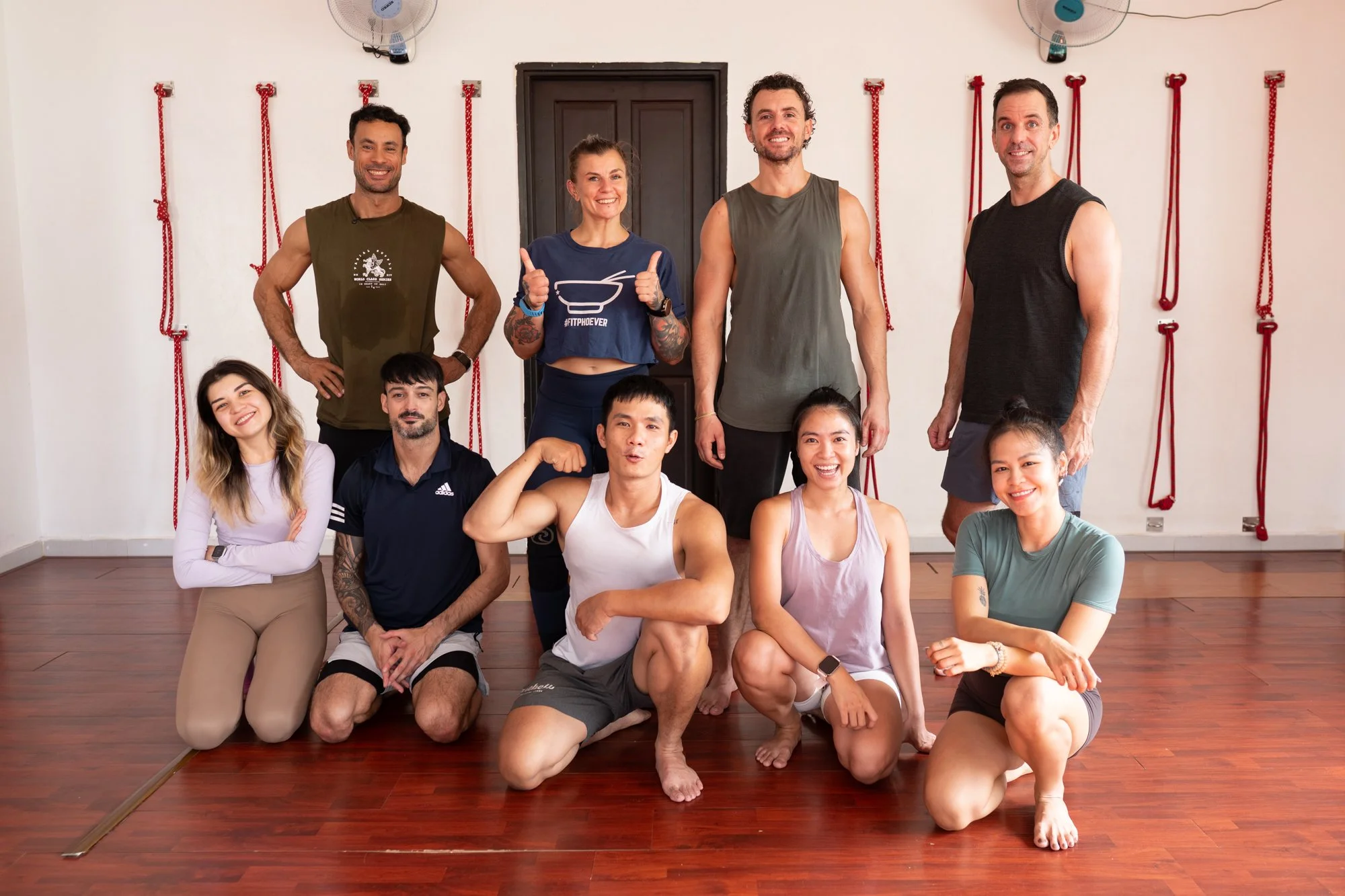
Coming back to teaching in person has taught me, or reminded me, of a lot.
I show an exercise to the class and highlight the key elements of the drill in as simple of a 1, 2, 3 step process as possible to help organize and simplify the movement. Then I stand and watch 10 people perform 10 different movements, none of which accurately reflect what I have demonstrated and intended to be replicated.
What is the takeaway?
The first takeaway is that we all see through a different set of filters. Based upon our previous training and life experience, we are going to see and interpret what is in front of us in a way that makes it fit into the framework of how we both objectively and subjectively see the world.
We all have a basic structure of interpretation that keeps us alive. We know to not stand in front of an oncoming vehicle, or walk off a cliff, but when the slightest bit of nuance is introduced, chaos enters the system.
What does this mean, both for the coach as well as the athlete?
For both, which is probably the place to start, we must recognize that if we seek to train a specific exercise or skill, there are underlying characteristics that need to be cultivated in order to build in the direction we want to go. I love analogies, so imagine driving a car, and you want to get home as fast as possible on the freeway, so you accelerate to the maximum. But then you disregard any interchanges or exits… so you are going to make a great deal of progress, but you are also not going to end up at your house. Who knows where you will end up when the gas runs out?
This is what is happening when we use random exercises or take an exercise and fail to implement it as intended. We will certainly get a training effect, but the results will be random at best.
What we need to do as both coach and athlete is to generate a shared understanding of what is being taught, so that the coach can deliver this information and the athlete can be prepared to receive it.
From here, the responsibility largely shifts to the athlete. Once the information is received, it is their responsibility to analyze and organize themselves to create a gradual process of improvement in their execution.
The easiest way I have found, as an athlete myself, and in helping others become better students of their own practice, is to film yourself on a regular basis. This creates an objective review that we can learn to interpret with greater degrees of accuracy over time. We can never fully destroy our subjective interpretation, but this is close enough to create good training.
The process of filming and self-review is as follows:
Perform the movement (and film it)
Review yourself and compare to the desired movement
Double check specific cues to remind yourself of any intricacies that may take conscious awareness or are easy to forget
Is your body in the actual shape or position you imagined it to be?
Perform the movement again while making 1-2 intentional corrections
Review yourself and recognize these adjustments
Did you overcorrect and now you need to find a middle ground? (best case scenario)
Did you try to correct, but actually just emphasized the mistake to an even greater degree? (more likely in the early stages of learning)
Perform the movement again and repeat this execute/review/correct process over the course of your workout, training cycle, and lifetime.
For those who are willing to use their rest breaks to not simply rest, but to actively review and correct themselves, the progress will flow like water. If you are used to simply sweating to feel a good workout, or thirsting for exhaustion and muscle burn as your primary forms of bodily feedback for your training, this more mental and active process is probably going to give you anxiety, and maybe even a headache.
It’s like forcing a kid with ADHD to sit down and read a book in dead silence. When you aren’t used to it, it is a struggle. For this reason, I think it is even more important. For an adult, it’s like learning to eat your vegetables all over again.
As a coach, I am always learning how to deliver my expectations in a clearer way that facilitates learning. For my athletes, and anyone who wants to progress in their movement, I expect the same level of commitment to themselves. If you are going to spend the time training, you may as well use the time effectively.
The responsibility comes from both sides, but ultimately falls on the athlete to move as well as possible and actively improve their training.